MOBIUS Webinar – Lighting up sewers: optical fibre sensors for smarter, safer infrastructure
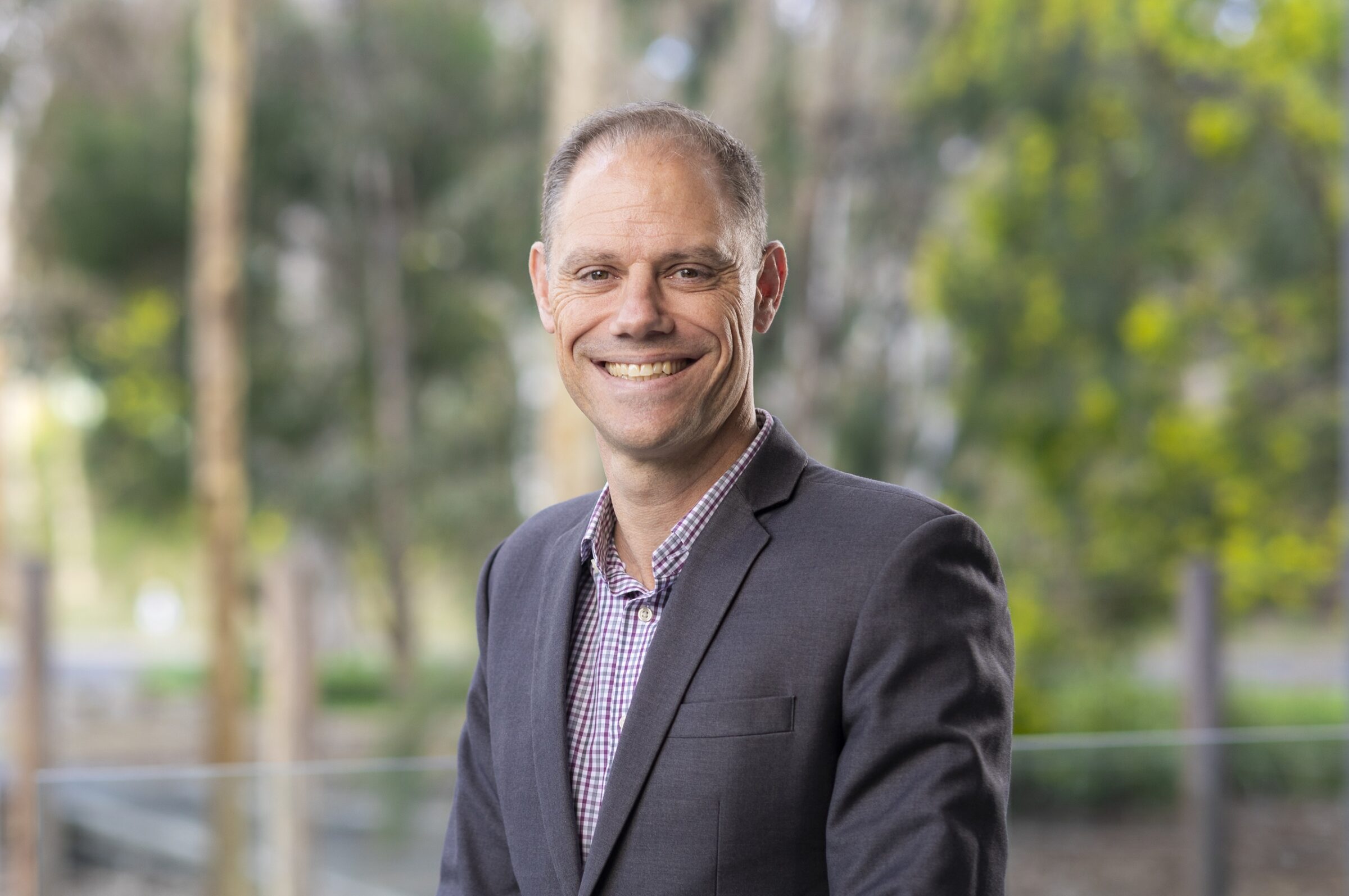
We were pleased to launch the MOBIUS webinar series with ‘Lighting up sewers: optical fibre sensors for smarter, safer infrastructure‘, presented by Dr Martin Ams on Tuesday 25 November, 2-3pm AEDT.
Abstract
Beneath our feet lies a hidden world of concrete tunnels, pipes, and wastewater networks quietly keeping our cities alive. But as these ageing systems corrode and crack, they threaten public health, safety, and billions of dollars in infrastructure. Can we shine light into the darkness below to reveal what’s happening out of sight?
This talk reveals how beams of light travelling through hair-thin optical fibres can help us do just that. By adapting the same fibres that carry the internet, we can create sensors that feel changes in temperature, humidity, strain, and dew-point deep inside harsh environments where electronics don’t survive.
Drawing on real-world trials in Australian wastewater systems, I’ll show how these light-based sensors act as an early-warning system for corrosion and structural failure. The result is a smarter, cleaner, and safer way to manage essential infrastructure — turning our underground networks into self-monitoring, self-reporting systems.
Ultimately, this fusion of photonics and civil engineering is transforming how we care for the hidden veins of our cities, helping us move from reactive repairs to predictive, data-driven resilience.
Chair
Professor Michael Withford, Macquarie University.
About the speaker
Dr Martin Ams is a Senior Postdoctoral Fellow at Macquarie University, where he completed his PhD in optical laser physics in 2008. With more than 20 years of experience in photonics, he specialises in the laser fabrication of optical devices for applications across sensing, telecommunications, astronomy, and quantum information. As part of the ARC Industrial Transformation Research Hub for Molecular Biosensors at Point-of-Use (MOBIUS), his work focuses on translating advanced photonic technologies into practical solutions for industry and infrastructure monitoring. He has co-authored over 150 scientific papers and book chapters.