
MOBIUS Webinar – Disease detection is spitting distance away
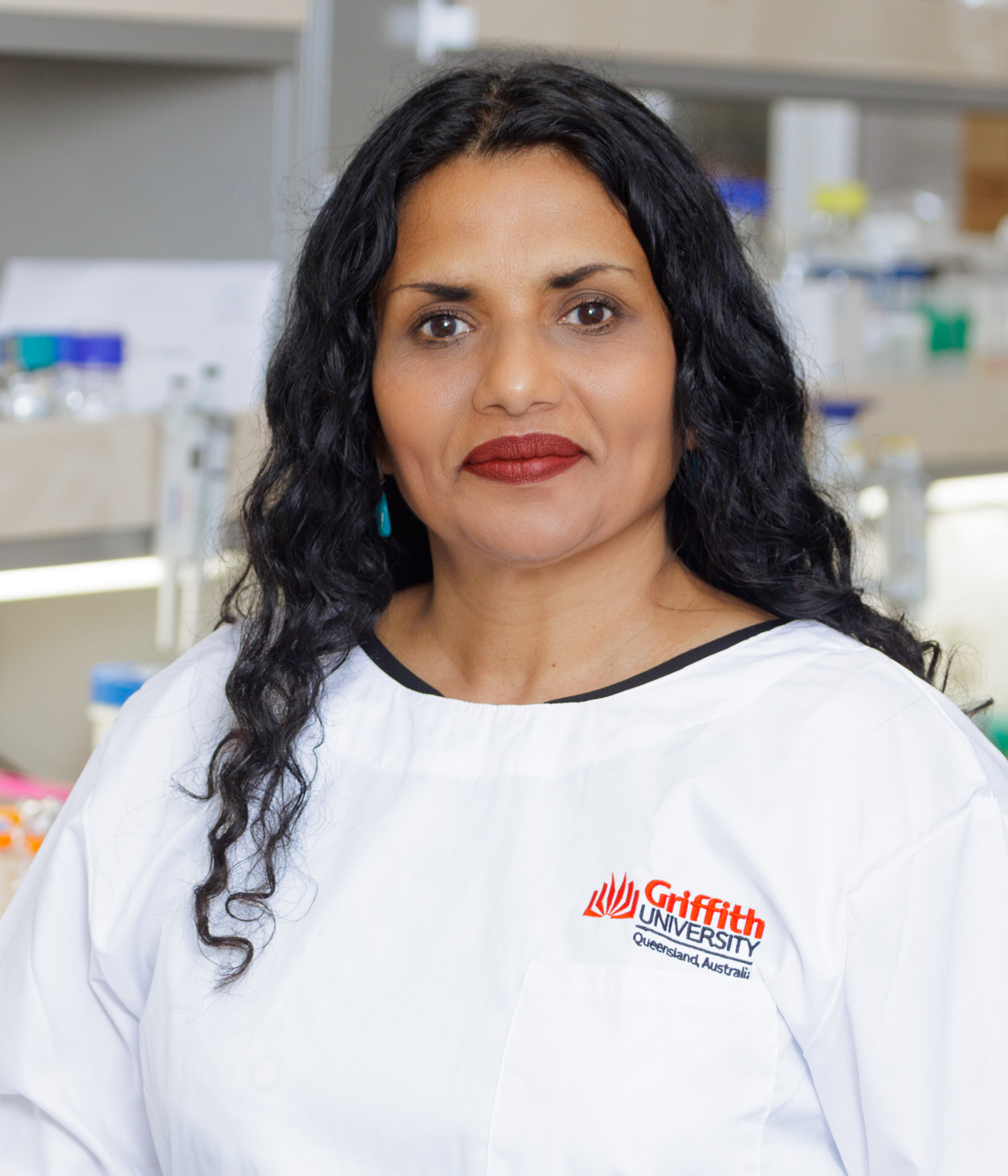
We were delighted to kick off MOBIUS’ webinar series for 2026 with ‘Disease detection is spitting distance away‘, presented by Professor Chamindie Punyadeera on Tuesday 10 February 2026, 2-3pm AEDT/1-2pm AEST.
Abstract
The COVID‑19 pandemic changed the world’s understanding of health testing. Millions of people learned that a quick, painless saliva sample could reliably detect a COVID-19 virus.
This global experience opened the door to a new way of thinking about disease detection, one that is easier, safer, and more accessible for everyone. Saliva testing has the potential to transform healthcare access for people everywhere, making early detection and monitoring far easier and more accessible worldwide.
Today, researchers are using the same idea to look for early signs of cancer and metabolic disorders. Saliva contains tiny biological clues, such as DNA, proteins, and natural chemicals that reflect what is happening inside the body. By analysing these molecules, scientists can identify early warning signals of diseases like cancer, heart disease and liver cirrhosis, often before symptoms appear.
Advances in technology now allow us to detect extremely small changes in saliva, making it a powerful tool for early diagnosis and personalised care. Just as COVID‑19 testing showed the world how simple saliva collection can be, this approach has the potential to transform how we detect and monitor many other health conditions.
Chair
Professor Conor Hogan, La Trobe University.
About the speaker
Professor Chamindie Punyadeera (Deputy Director, MOBIUS) is an inventor, and a fellow to the Australian Academy for Technological Science and Engineering (ATSE). She is an ambassador to women in STEMM. She has had a hybrid research career working in industry as well as in academia. She heads the saliva and liquid biopsy translational laboratory within the Institute for Biomedicine and Glycomics at Griffith University in Brisbane.
Her laboratory develops biomarkers from concept through to commercialisation. She has pioneered the application of saliva-based tests and made groundbreaking discoveries that has led to the world-first detection of an occult HPV driven oropharyngeal cancer in a healthy person. Her research into saliva-based test (CancerDetect) to early diagnose and predict head and neck cancer, received FDA approval under breakthrough device designation for her industry partner in 2021.
She has authored >160 research papers including Nature Materials, Clin Chem, 10 book chapters, 21 PCT, including one granted patent. She currently receives research funding from the NHMRC, ARC, Philanthropy and industry. She is a grant reviewer for both national and international funding agencies and currently serves on the Editorial Board of the Journal of Oral Oncology, associate editor BMC Genomics and a guest editor to BMC Medical Genomics, Diagnostics and Biomolecules.