MOBIUS proud to host a delegation from Fraunhofer IKTS
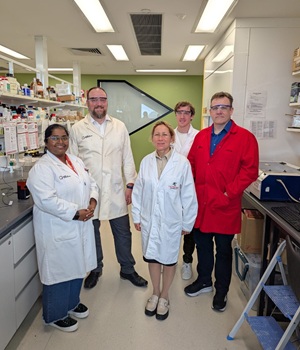
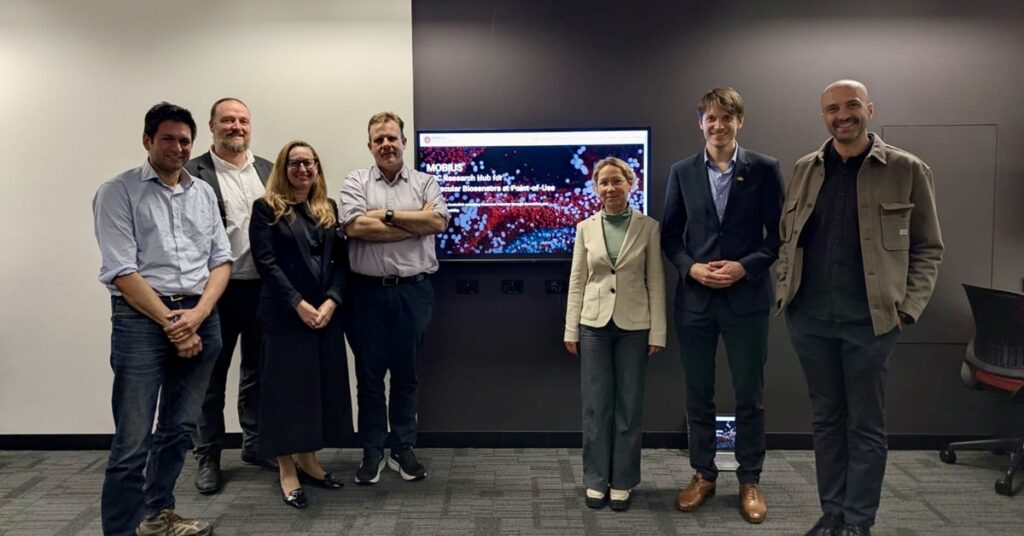
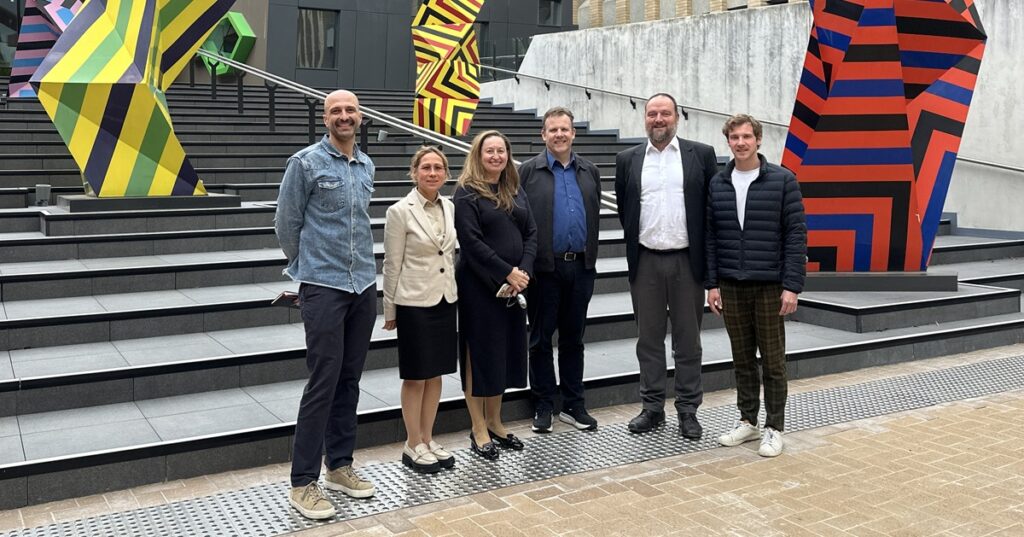
What a fantastic two days at MOBIUS! It was an absolute pleasure to welcome and host Jörg Opitz, Natalia Beshchasna, and Dmitry Belyaev from Fraunhofer IKTS, Germany in November 2025.
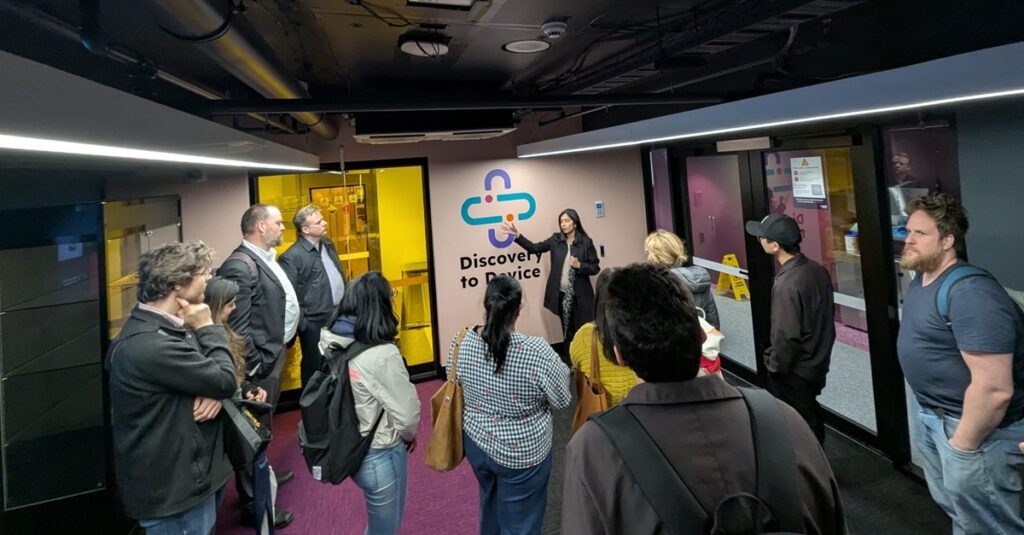
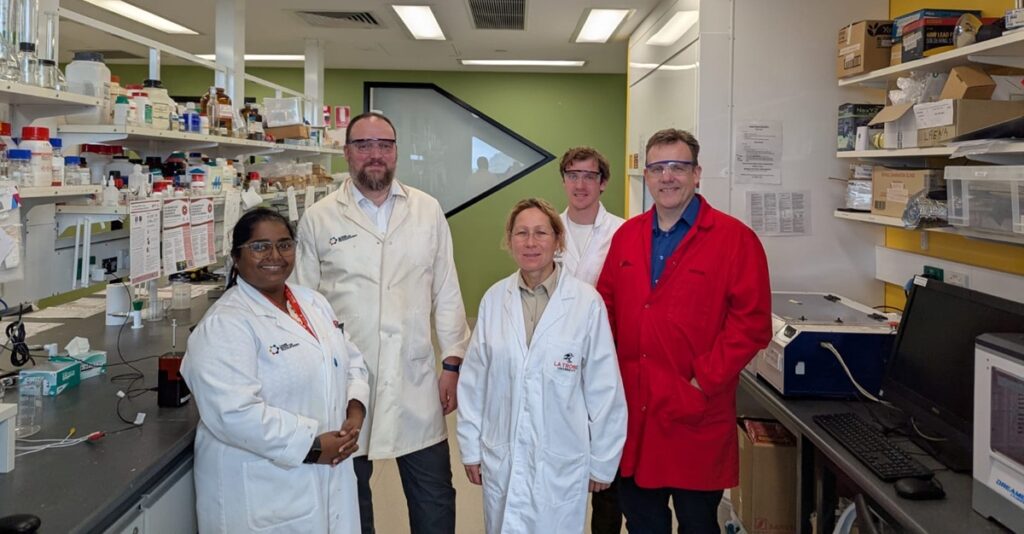
Across La Trobe University, RMIT University and the Melbourne Centre for Nanofabrication, we shared a fully packed agenda – from laboratory tours showcasing our latest biosensor innovations, to deep technical conversations about where the next breakthroughs in point-of-use diagnostics will come from. The energy and expertise in every discussion was inspiring.
We are genuinely excited about the possibilities ahead and look forward to exploring how we can work together to fast-track biosensor discovery, development, and translation – globally.
Our sincere thanks also to the German-Australian Chamber of Industry and Commerce, especially to Bettina Schels and Fabian Westkamp for facilitating strategic conversations and helping strengthen Australia–Germany collaboration between La Trobe and Fraunhofer IKTS.
We were also delighted to team up with the La Trobe Institute for Molecular Science (LIMS) to co-host a public seminar presentation chaired by MOBIUS Director, Conor Hogan, featuring distinguished speakers Jörg Opitz and Natalia Beshchasna.
The seminar explored the overarching theme, “At the Interface of Materials and Medicine: Technologies for Implants and Point-of-Care Diagnostics,” setting the foundation for two outstanding deep-dive presentations:
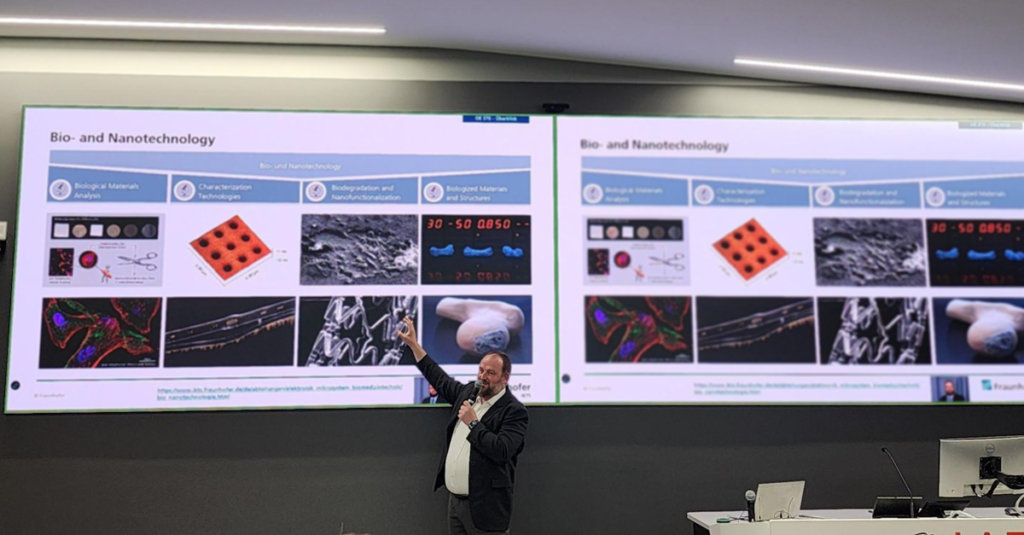
“At the Bridge of Biology and Materials Research: Biologized Materials, Nanotechnology, Sensing, and Characterization”, presented by Jörg Opitz, offered rich insights into Fraunhofer IKTS’ technologies that accelerate biomedical innovation and bring individualized therapies closer to clinical and industrial application.
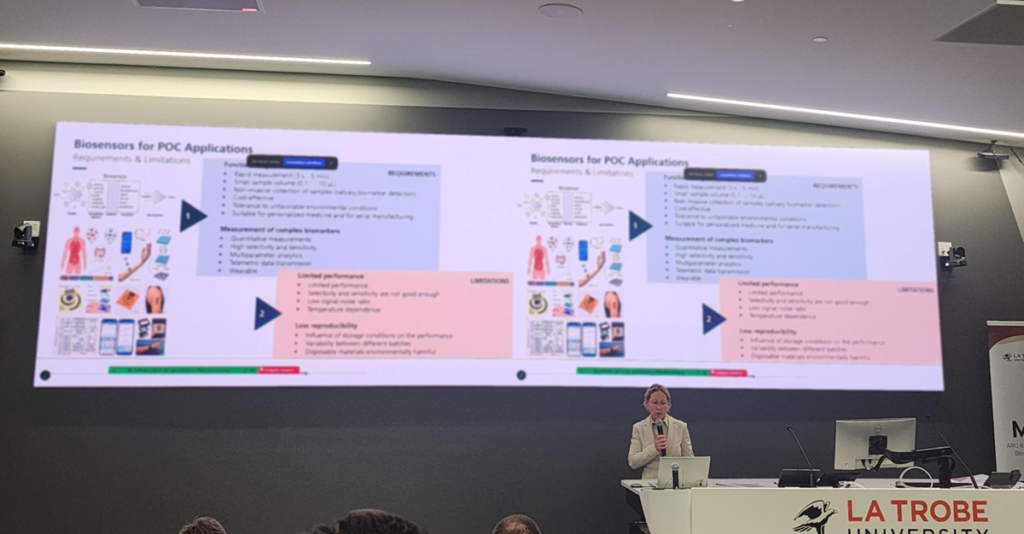
“Electrochemical Biosensors and Microfluidics – Key Enabling Technologies for Point-of-Care Diagnostics”, presented by Natalia Beshchasna, highlighted Fraunhofer IKTS’ work in microfluidics, materials, and processes in the biosensors space.
A warm thank you to Jörg Opitz and Natalia Beshchasna for sharing their expertise and discoveries.