
Laena D’Alton
-
Invisible material could revolutionise smart and wearable tech
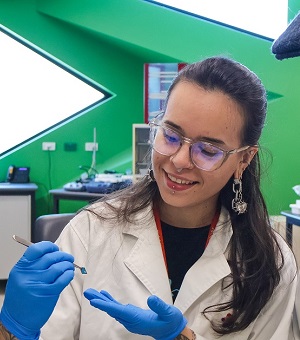
A team led by MOBIUS researcher, Associate Professor George “Wren” Greene (La Trobe University), has produced a new, powerful electricity-conducting material which could revolutionise smartphones and wearable technologies like medical devices. The new technique uses hyaluronic acid, well known due to its popularity in skincare, applied directly to a gold-plated surface to create a thinner,…
-
Brian Abbey on scaling up nanotechnology manufacturing
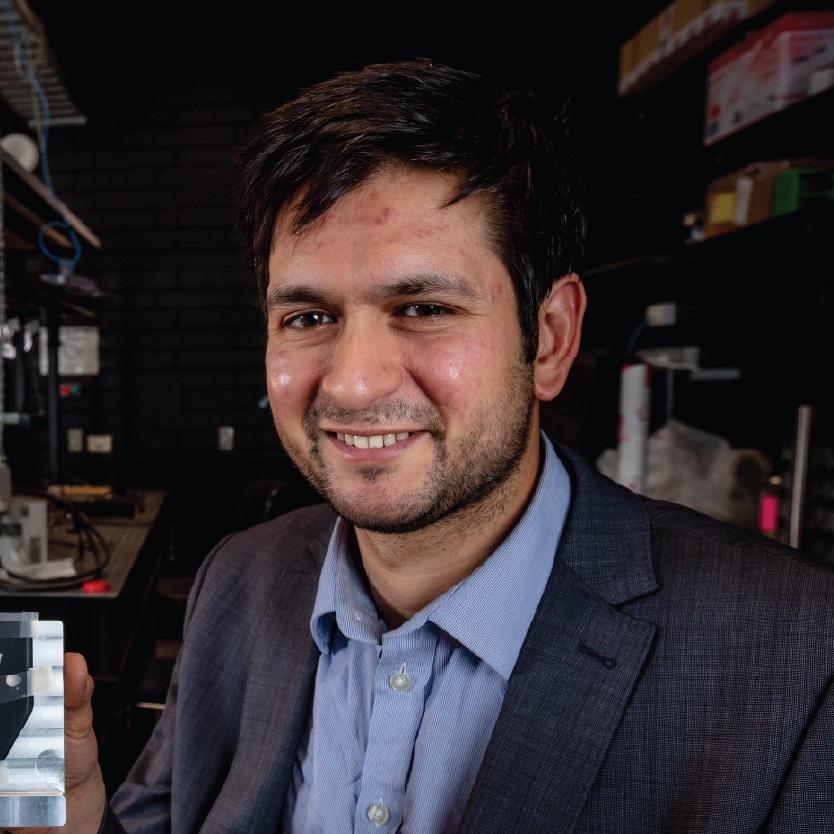
MOBIUS lead researcher Professor Brian Abbey (La Trobe University | School of Computing, Engineering and Mathematical Sciences, La Trobe University) recently spoke with Manufacturers’ Monthly about scaling up the manufacture of nanotechnology in Australia. Professor Abbey, a recipient of Australia’s Economic Accelerator (AEA) grant scheme, was recently awarded $2.5 million to partner with AlleSense—a La…
-

We are delighted to welcome to our first four Postdoctoral Researchers
We are thrilled to welcome a Senior Postdoctoral Fellow and three Postdoctoral Researchers to MOBIUS. We are delighted to have them on board and look forward to the exciting contributions they will bring to MOBIUS! Meet the team: Dr Martin Ams Dr Martin Ams, Senior Postdoctoral Fellow, is working with Professor Michael Withford at the…
-

RMIT Vice Chancellor Senior Research Fellowship for Nick Reynolds
Congratulations to MOBIUS Chief Investigator, Dr Nicholas Reynolds, who recently received a Vice Chancellor Senior Research Fellowship from RMIT University. Nick’s research focuses on understanding how proteins and small molecules self-assemble to form nanoscale structures—smaller than a human hair. “Self-assembled structures are used in biosensors, tissue engineering, regenerative medicine, and understanding the molecular origins of…
-
2025 Partner Showcase at La Trobe University
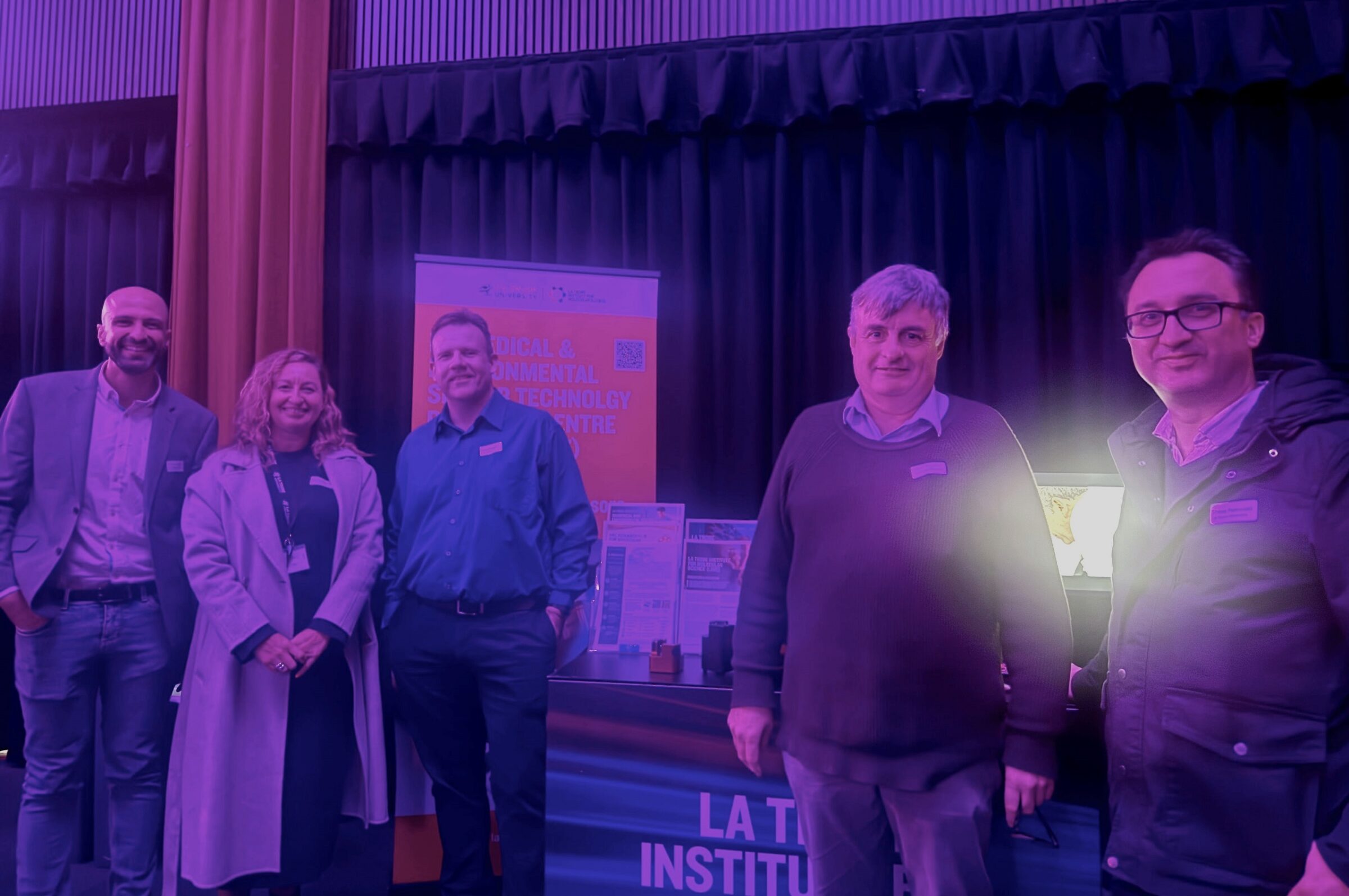
We were delighted to take part in La Trobe University’s Partner Showcase in May, with the La Trobe Institute for Molecular Science (LIMS) and the Biomedical and Environmental Sensor Technology (BEST) Centre teams. It was a fabulous, vibrant evening filled with researchers and industry discussing all things biosensors—and how they can create positive change for…
-
Brian Abbey’s Australia’s Economic Accelerator grant success
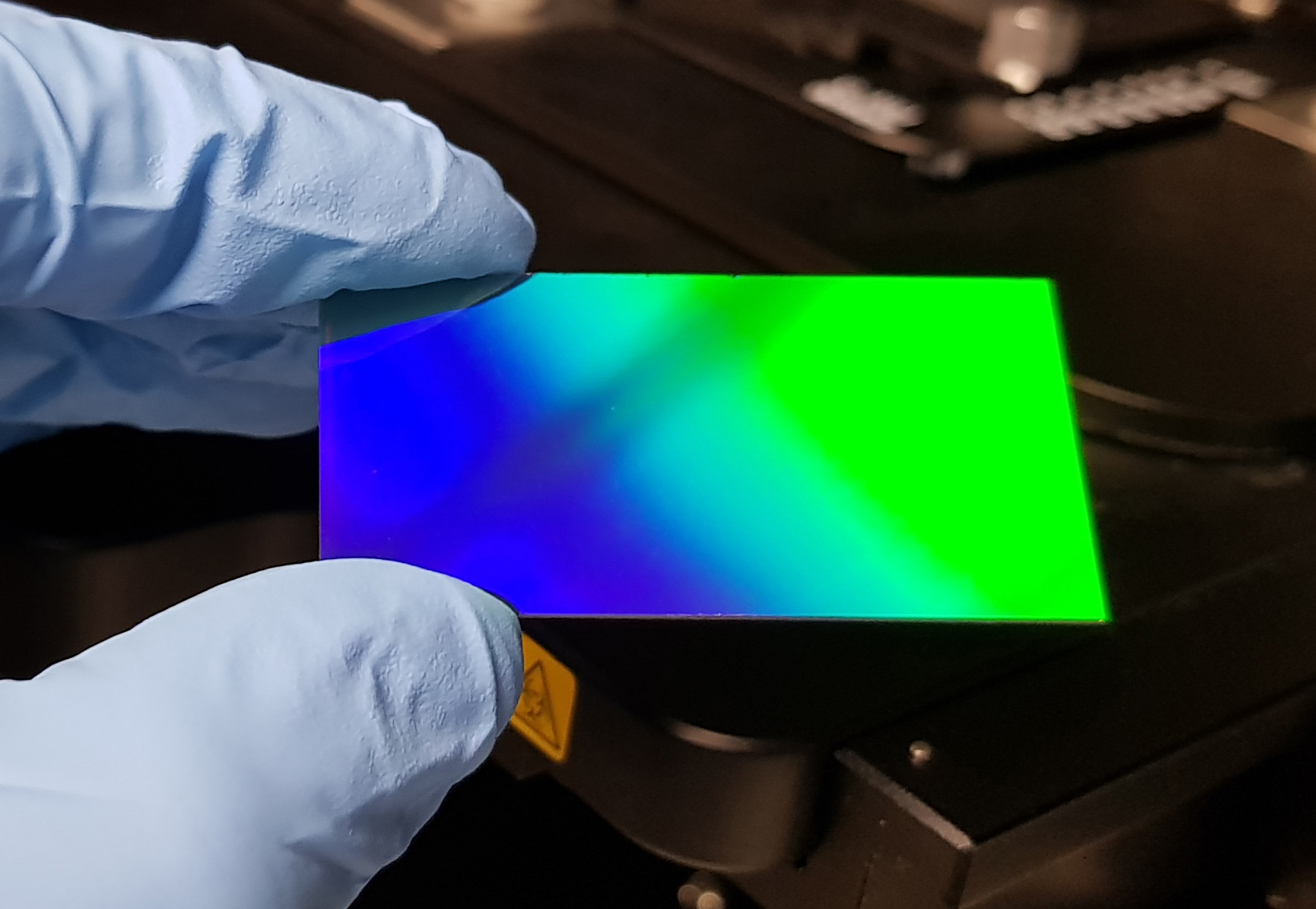
Congratulations to MOBIUS researcher, Professor Brian Abbey (La Trobe University), who has been awarded $2.5 million in funding from Australia’s Economic Accelerator (AEA) scheme. This funding will support the establishment of a new certified facility for large-scale nanotechnology device manufacture in Australia. Brian is partnering with AlleSense, a Melbourne based MedTech company and MOBIUS partner.…
-
Ing Kong’s new technology gives second life to plastic farm waste
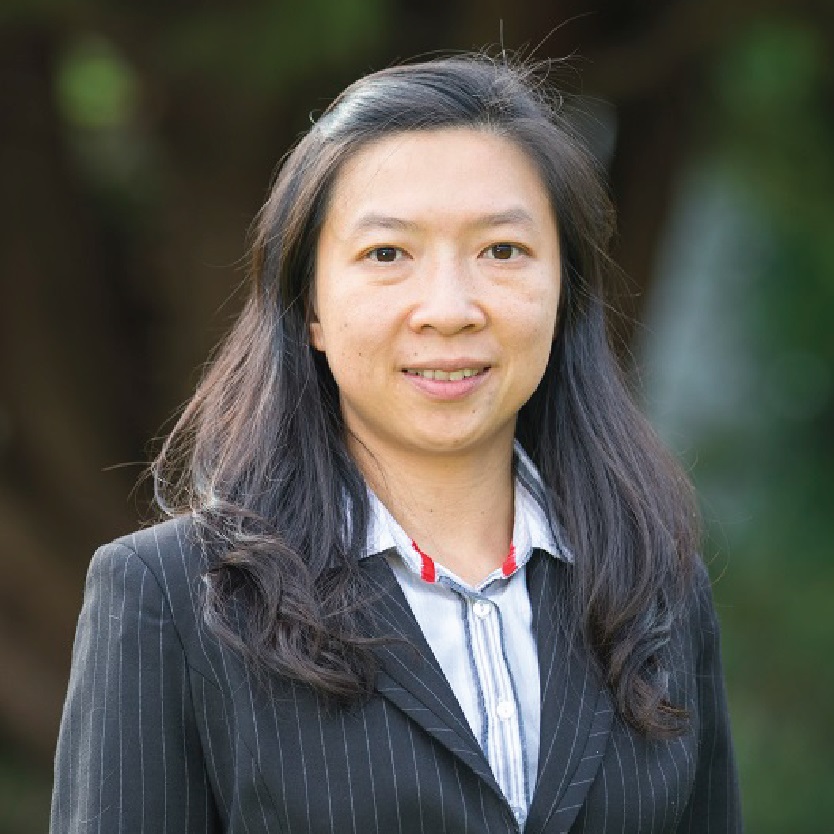
Researchers from La Trobe University in Bendigo—led by MOBIUS Chief Investigator, Associate Professor Ing Kong—have developed an innovative recycling solution for synthetic bale twine, helping to address the growing problem of agricultural waste. In a study published in the journal Recycling,the research team analysed the thermal, physical and mechanical properties of various plastic waste materials to determine the…
-
Professor Sharath Sriram: Western Australia’s new Chief Scientist
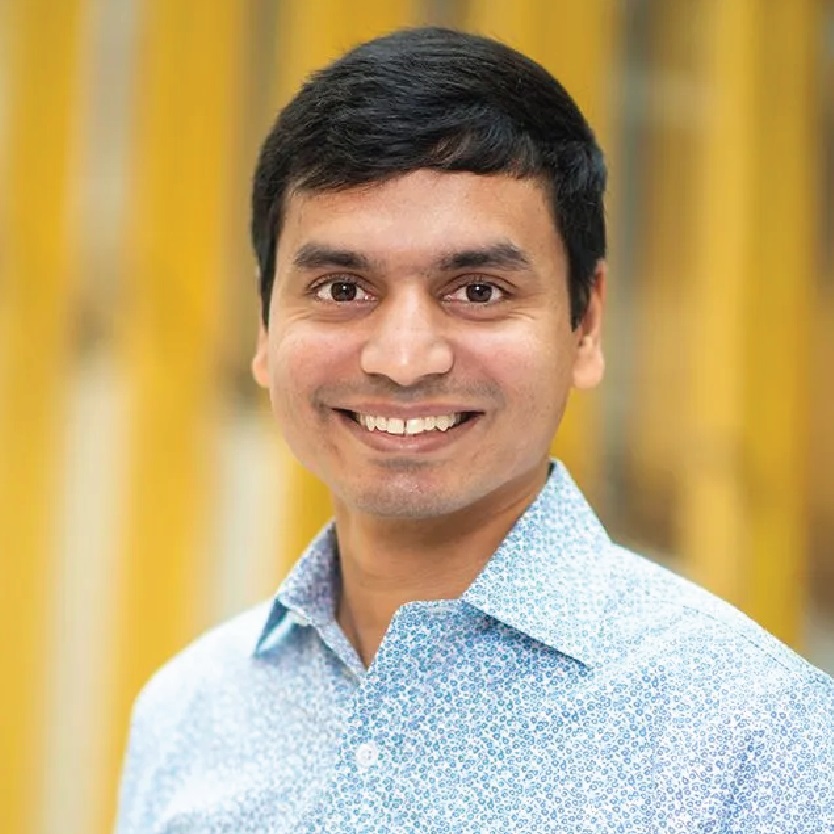
Congratulations to MOBIUS Chief Investigator, Professor Sharath Sriram, for his appointment as the Chief Scientist of Western Australia. The role of the Chief Scientist is to provide independent, expert advice to the WA Government on topics important to the future of science and technology in the State. Professor Sriram, a fellow of Engineers Australia, is…
-
Off to an exciting start to 2025: MOBIUS’ inaugural gathering
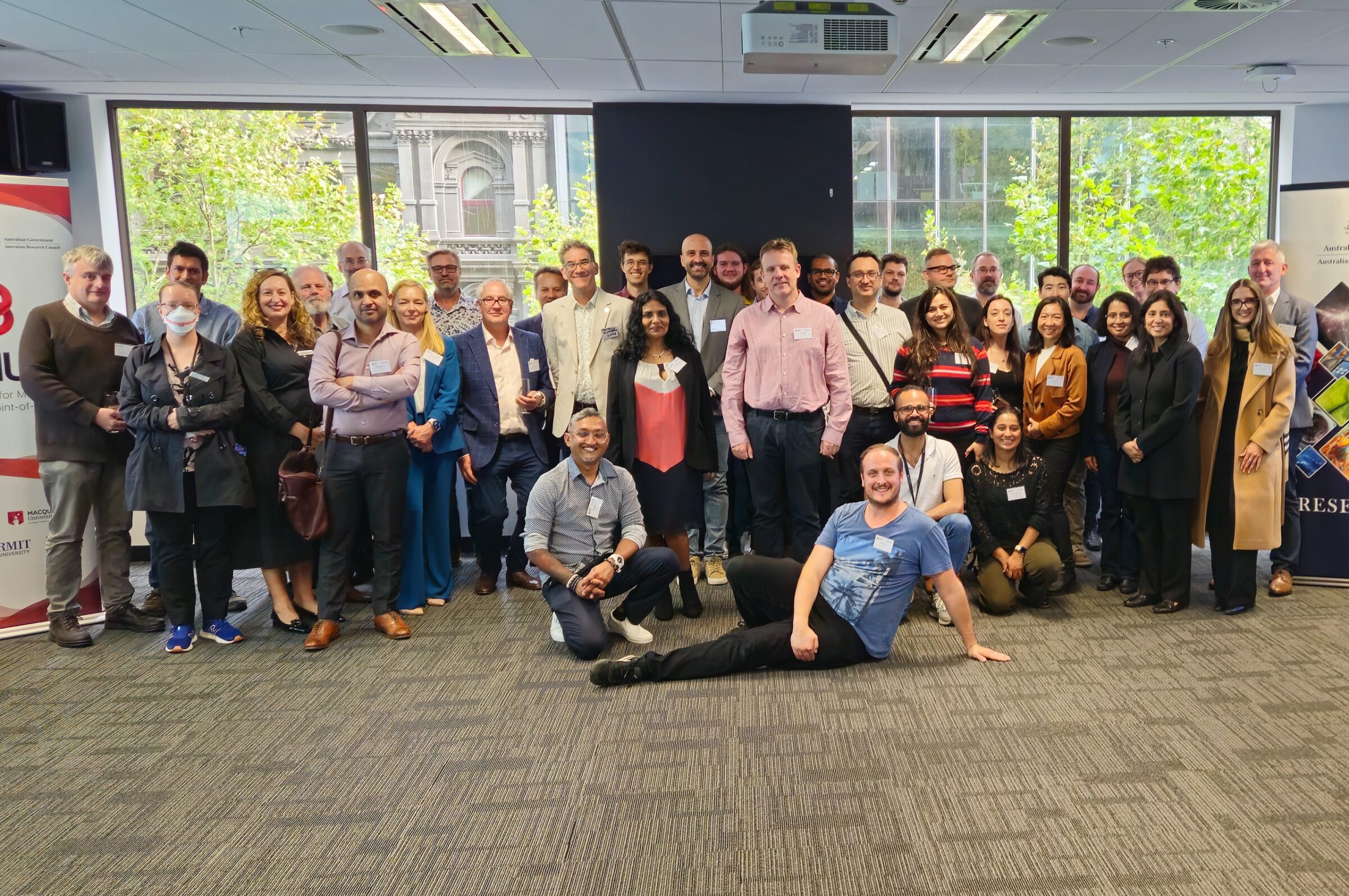
On 18 February 2025, we held the inaugural and informal MOBIUS gathering at La Trobe University’s City campus. It was an incredible opportunity to connect, exchange ideas, and explore how we will shape the future of biosensors together. With a warm welcome from MOBIUS Director, Professor Conor Hogan and Deputy Director, Professor Chamindie Punyadeera, we…
-
Second Australian Future Sensing Conference
DATE: 2-4 September 2026. LOCATION: Melbourne, Australia. This will be the premier event for the Sensors and Biosensors community in Australia. With an excellent line-up of plenary speakers, high-quality contributed oral talks and poster sessions, this meeting intends to catalyse cross-disciplinary interactions and showcase progress in this rapidly expanding area. The three-day program will feature…