
Dialling into diagnostics
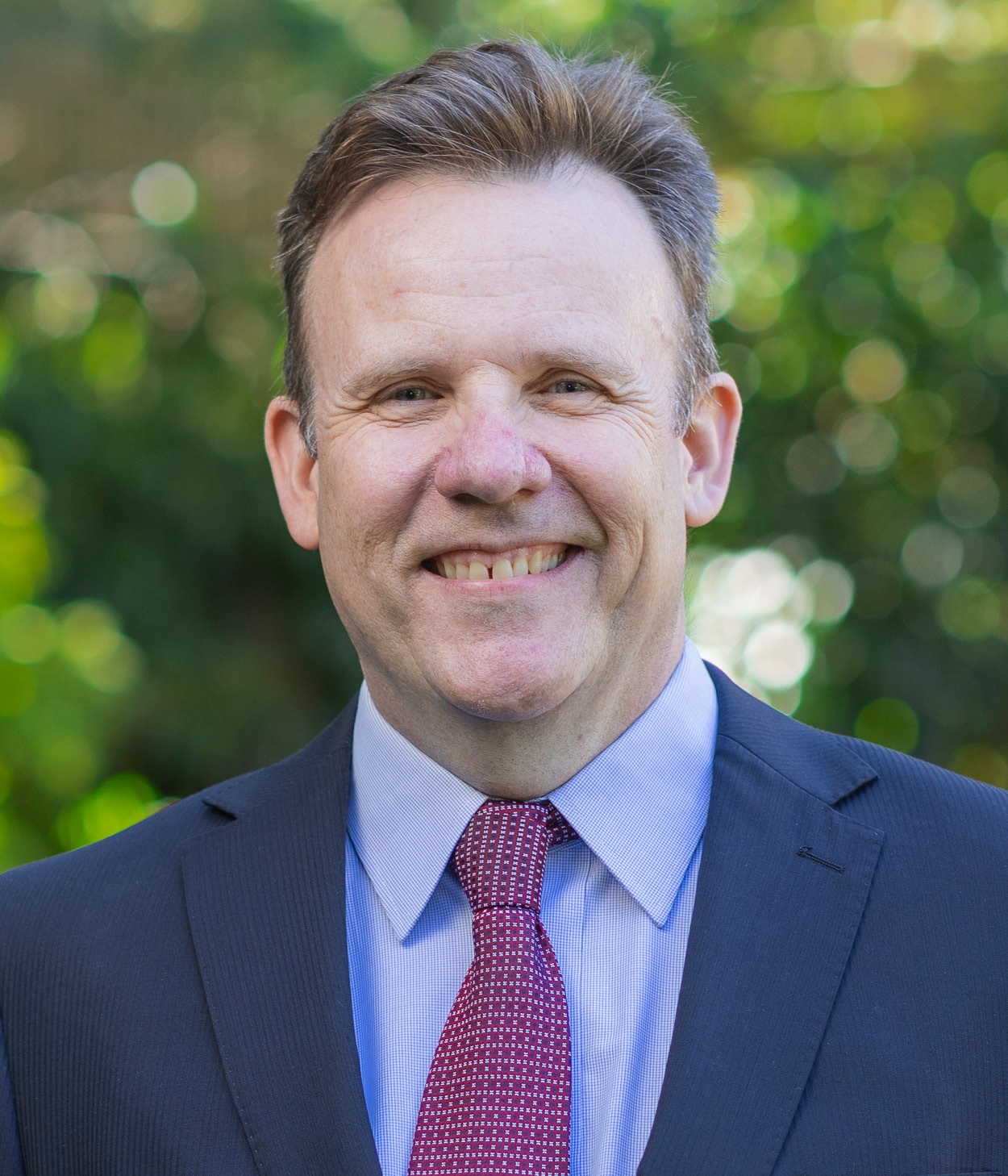
We were pleased to welcome MOBIUS Director, Professor Conor Hogan (La Trobe University), who presented ‘Dialling into diagnostics: Translating fundamental electrochemistry and ECL into mobile point-of-use biosensors‘ on Thursday 20 August 2026.
Abstract
Analytical chemistry has traditionally been confined to well-equipped laboratories reliant on expensive, bulky instrumentation. In this webinar, Professor Conor Hogan traced the scientific journey aimed at breaking down those barriers, driven by the core philosophy that “simplicity is the key”.
Beginning with the fundamental science of electrogenerated chemiluminescence (ECL), a highly sensitive technique where electrons go in and photons come out, he explored how shifting from traditional ruthenium luminophores to novel iridium complexes unlocked new dimensions in multiplexed, potential-resolved 3D-ECL.
Professor Hogan highlighted the translational leap of this fundamental science into the real world: transforming everyday consumer electronics—such as mobile phones and Raspberry Pi computers—into powerful, low-cost potentiostats and light detectors.
By highlighting current industry-driven applications spearheaded by the MOBIUS Research Hub and Eolas DX, a La Trobe spin-out company, Professor Hogan illustrated how this technology is being applied right now, from rapid point-of-use testing in the wine industry to in-field EC-LAMP sensors for Defence.
Professor Hogan pointed to a horizon where, ultimately, the sensing of molecules becomes a seamlessly connected event in our lives.
Chair
Professor Chamindie Punyadeera, Griffith University
About the speaker
Professor Conor Hogan is Director of the ARC Industry Transformation Research Hub for Molecular Biosensors at Point-of-Use (MOBIUS), located at La Trobe University in Melbourne. He is a recognised global leader in electrochemiluminescence (ECL), with core expertise in analytical chemistry, electrochemistry, and photophysics.
His research lies at the intersection of these fields, spanning both fundamental and strategic work to develop new materials, molecules, and insights. Conor translates these scientific breakthroughs into biosensor technologies for real-world application—such as medical diagnostics and environmental monitoring—by fostering interdisciplinary collaboration and strong industry partnerships.
Given the multidisciplinary nature of sensor technology, Conor’s research group collaborates across diverse areas including chemistry, biochemistry, microbiology, physics, materials science, electronic engineering, and software engineering. One of his recent innovations is the development of “AudioDAC Voltammetry”—a patented technique enabling instrument-free voltammetry using mobile devices such as smartphones. This technology is currently being commercialised and will be published shortly.
As Director of MOBIUS, he is leading a collaboration of 21 researchers and 20+ industry partners: all dedicated to bridging biosensor research and industry to create and commercialise next-generation biosensor technologies, and equipping the next generation of researchers and industry leaders with future-facing skills to drive Australia’s biosensing field forward.