
Welcome to MOBIUS PhD Candidates, Artharva and Hansani
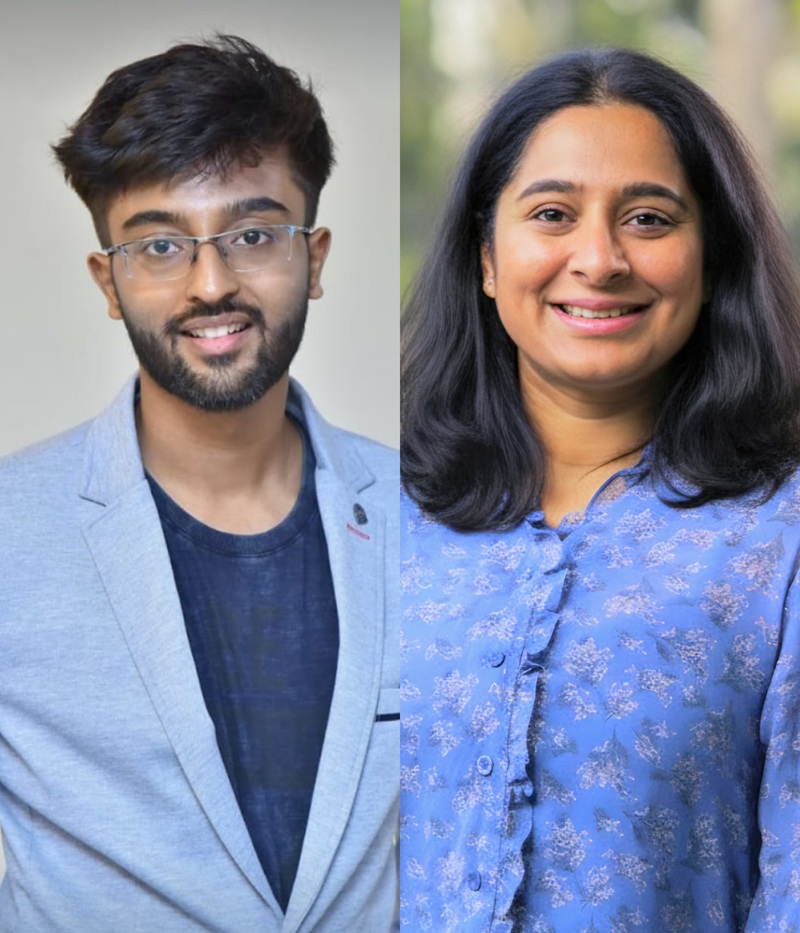
MOBIUS is delighted to welcome two PhD Candidates, Atharva Deshpande and Hansani Maussawa.
Meet the Candidates:
Atharva Deshpande
Atharva Deshpande is based at MOBIUS’ RMIT University Node and is working collaboratively between NEXSEN and RMIT’s Sir Ian Potter NanoBioSensing Facility.
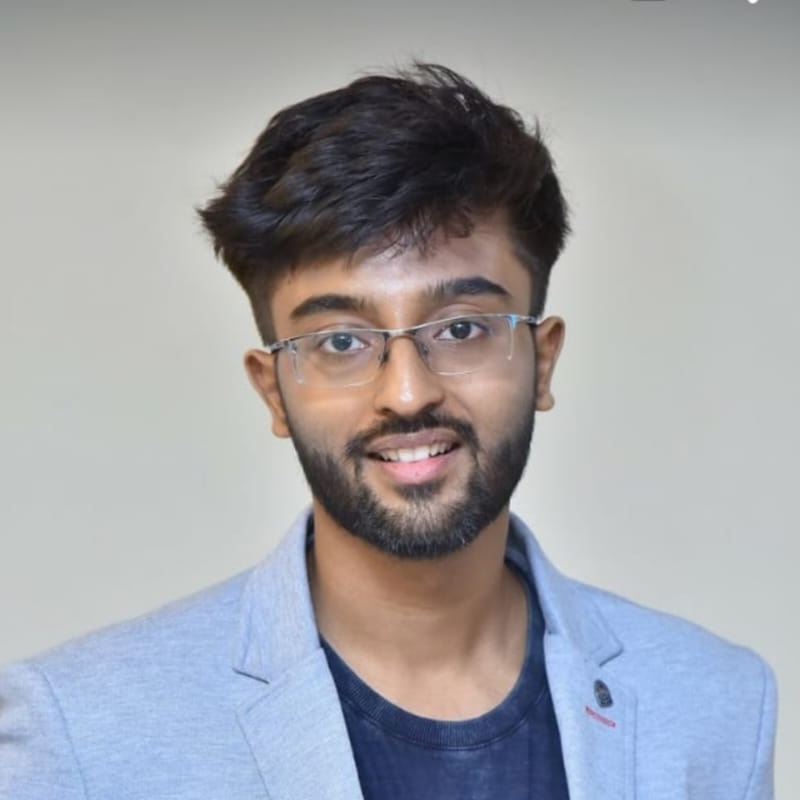
Atharva Deshpande is based at the RMIT University Node of the ARC Research Hub for Molecular Biosensors at Point-of-Use (MOBIUS) and working collaboratively between NEXSEN and RMIT’s Sir Ian Potter NanoBioSensing Facility.
Atharva brings a background in microbiology and biotechnology with hands-on experience in bridging fundamental science with practical device development, such as antimicrobial testing, protein chemistry, and nanomaterial-based biosensors.
He will develop field-deployable sensors for bovine mastitis under the supervision of Distinguished Professor Vipul Bansal, Professor Rajesh Ramanathan, Dr Pabudi Weerathunge, Dr Satya Sarker, and Dr Sanje Mahasivam at the RMIT STEM College.
“I enjoy the problem-solving journey—taking a scientific challenge, experimenting with creative approaches, and slowly shaping an idea into something tangible and impactful,” says Atharva. “I also find great satisfaction in seeing how small innovations in the laboratory can be transformative, such as improving outcomes for animals, people, and communities.”
“I am excited to join MOBIUS because it connects world-class, interdisciplinary research with real-world applications,” Atharva explains. “It is perfect environment to learn, collaborate, and innovate in the molecular biosensor space.”
“I look forward to contributing to technologies that can directly impact animal health, agriculture, and beyond.”
Hansani Maussawa
Hansani Maussawa is based at the La Trobe Institute for Molecular Science and the School of Agriculture, Biomedicine and Environment, La Trobe University.
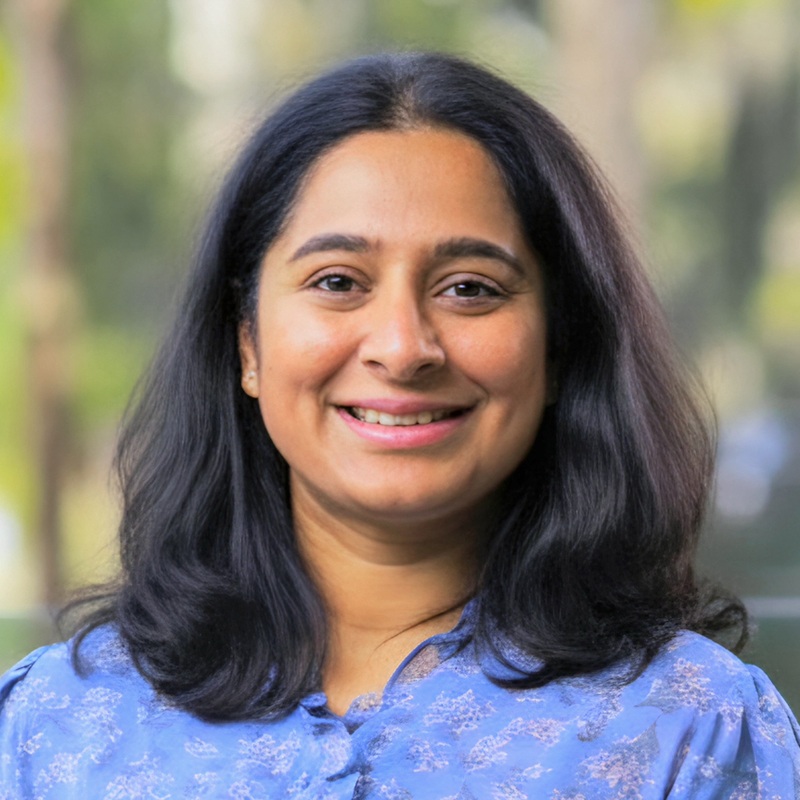
Hansani recently completed her Master’s research on the development of an electrochemical aptamer-based biosensor for cocaine detection.
Through that project, she developed expertise including in molecular detection techniques, sensor surface modification, and biosensor optimisation—which she now brings to MOBIUS, where she will work with lead researcher, Dr [tag] Saimon Silva.
“I enjoy exploring how we can create highly effective molecular sensors,” says Hansani. “I am particularly motivated by the process of moving from fundamental experiments to functional devices that can be applied in real-world scenarios.”
What Hansani is most looking forward to in MOBIUS?
“I am excited to be part of MOBIUS because of its strong collaborative environment and focus on solving real-world problems through innovation,” she says. “Working with a multidisciplinary team will give me the opportunity to broaden my skills and contribute to impactful research.”